Brainstorming is a critical process in any creative or problem-solving endeavor. It allows individuals and teams to generate a multitude of ideas quickly and efficiently. One of the most powerful tools for brainstorming is mind mapping. Mind mapping is a visual thinking tool that helps structure information, helping you to better analyze, comprehend, synthesize, recall and generate ideas. Here’s why mind mapping is considered one of the most effective tools for brainstorming:
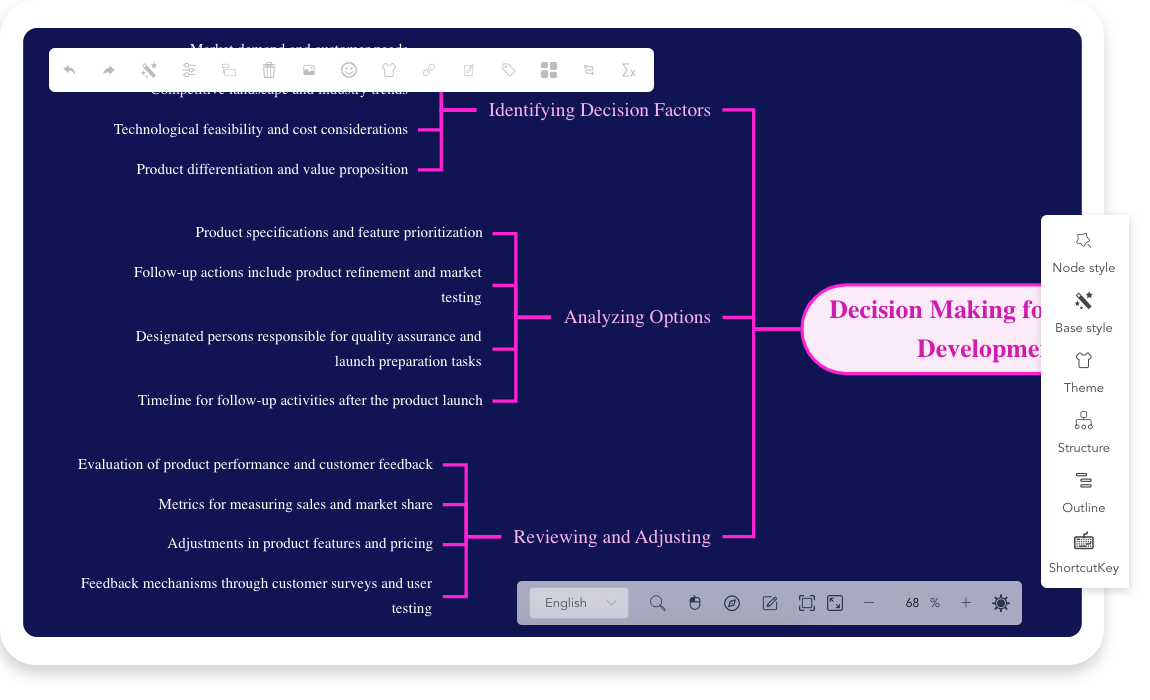
What is Mind Mapping?
Mind mapping is a graphical way to represent ideas and concepts. It starts with a central idea, and from there, related ideas are branched out in a non-linear manner. Each branch represents a sub-topic or related idea, which can further branch out into more detailed ideas. This structure mimics the way the brain naturally processes information, making it an intuitive and effective tool for brainstorming.
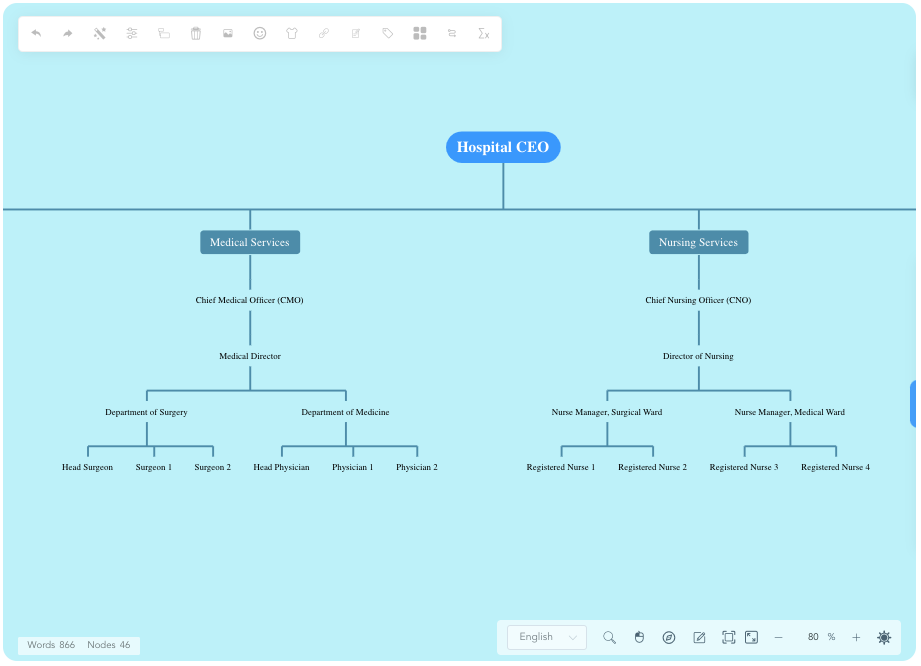
Why Mind Mapping is Effective for Brainstorming
- Visual Representation: Mind maps use a combination of words, images, and colors to represent ideas. This visual approach engages both the left and right sides of the brain, enhancing creativity and critical thinking. The visual nature of mind maps makes it easier to see connections between ideas, which can lead to more innovative solutions.
- Non-Linear Thinking: Traditional note-taking methods often follow a linear structure, which can limit the flow of ideas. Mind mapping, on the other hand, allows for non-linear thinking. This means you can jump between different branches of the map, adding ideas as they come to you without disrupting the overall structure.
- Enhanced Memory Retention: The use of keywords, images, and colors in mind maps helps improve memory retention. By associating ideas with visual cues, you are more likely to remember and recall information. This is particularly useful in brainstorming sessions where generating and remembering a large number of ideas is crucial.
- Organized Structure: Mind maps provide a clear and organized structure for your ideas. Starting with a central theme and branching out into sub-topics helps keep your thoughts organized and focused. This structure makes it easier to review and refine ideas later on.
- Encourages Collaboration: Mind mapping is an excellent tool for collaborative brainstorming. Multiple people can contribute to a mind map, adding their ideas and building on the contributions of others. This collaborative approach can lead to more diverse and innovative solutions.
- Flexibility and Adaptability: Mind maps are highly flexible and can be adapted to suit different types of brainstorming sessions. Whether you are brainstorming for a new product idea, solving a complex problem, or planning a project, mind maps can be tailored to fit your needs.
- Identifies Gaps and Opportunities: By visually laying out all related ideas, mind maps can help identify gaps in your thinking or opportunities that you might have overlooked. This holistic view allows you to see the bigger picture and make more informed decisions.
How to Create a Mind Map for Brainstorming
- Start with a Central Idea: Begin by writing down the central idea or topic in the middle of your page or digital canvas. This will be the focal point of your mind map.
- Branch Out: From the central idea, draw branches that represent the main sub-topics or categories related to your central idea. Use keywords or short phrases to label each branch.
- Add Sub-Branches: For each main branch, add sub-branches that represent more detailed ideas or aspects of the sub-topic. Continue branching out as needed to capture all relevant ideas.
- Use Visual Cues: Incorporate colors, images, and icons to make your mind map more visually appealing and memorable. Different colors can be used to represent different categories or levels of importance.
- Review and Refine: Once you have captured all your ideas, review the mind map to identify any gaps or areas that need further exploration. Refine your ideas by adding more details or combining related branches.
Tools for Mind Mapping
Visual Paradigm’s Smart Board: A Top Mind Mapping Tool for Enhanced Creativity and Organization
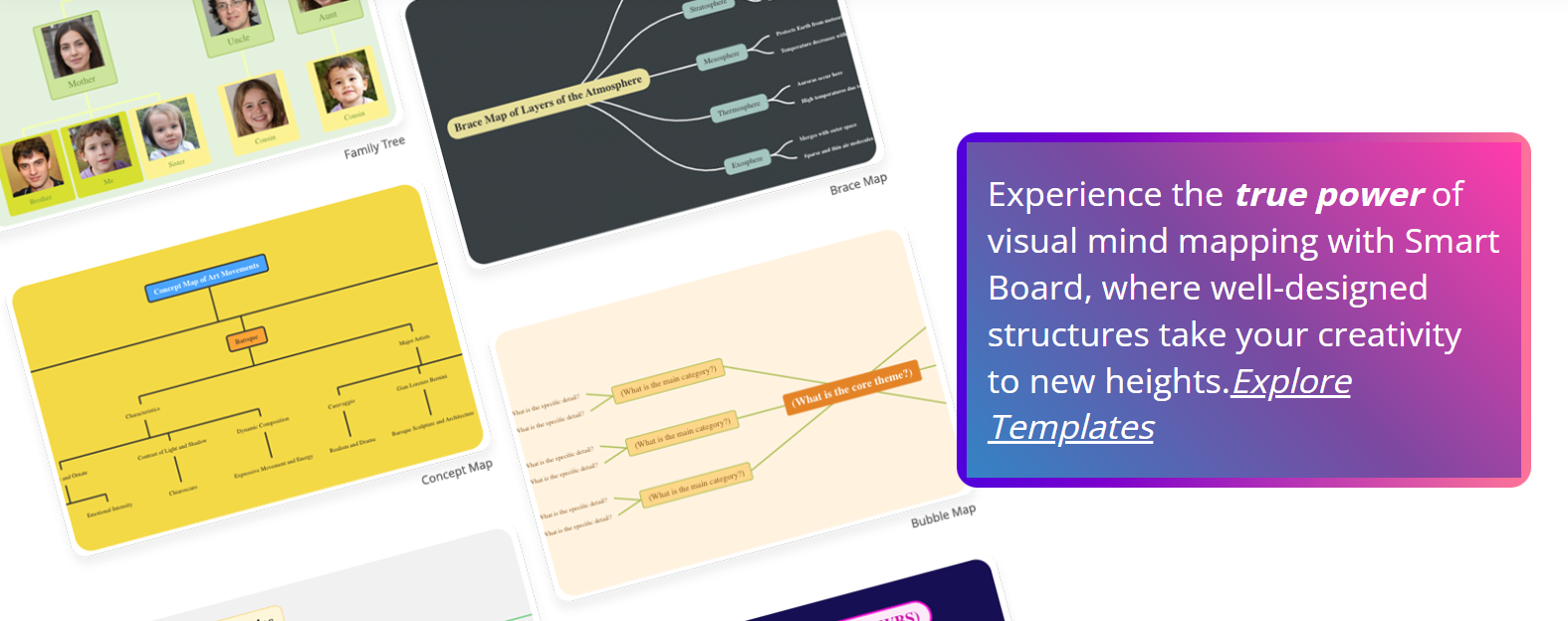
Mind mapping is a powerful technique for brainstorming, organizing ideas, and solving complex problems. Among the various mind mapping tools available, Visual Paradigm’s Smart Board stands out as one of the best. Here’s why Smart Board is an excellent choice for your mind mapping needs:
Comprehensive and Free
Cost-Effective Solution: Smart Board is completely free to use, with no hidden charges or credit card requirements. This makes it an accessible tool for anyone looking to enhance their brainstorming and organizational skills without any financial commitment.
Key Features
Predefined Frameworks: Smart Board offers a wide range of predefined frameworks that help you visualize ideas and contextual details effortlessly. These frameworks provide a structured starting point, making it easier to organize your thoughts and information.
Visual Representation: One of the standout features of Smart Board is its ability to present key ideas, concepts, and relationships in a concise and organized format. This visual approach simplifies complex information, making it clear, structured, and easily digestible.
Hierarchical Structure: The hierarchical structure of Smart Board allows you to break down complex topics or projects into smaller, more manageable components. By compartmentalizing information and creating a logical flow, you can navigate through the mind map and focus on specific areas of interest.
Personalization Options: Smart Board offers a variety of appearance and theme options, allowing you to personalize your mind maps to suit your preferences. This customization enhances the visual appeal and usability of your mind maps.
Versatile Applications
Mind Map Tool: By visually organizing your thoughts, ideas, and information, Smart Board’s mind map tool provides a structured and intuitive approach to problem-solving, planning, and decision-making.
Template Oasis: Smart Board provides a comprehensive collection of templates, unlocking endless possibilities for your projects. Whether you need a family tree, concept map, organizational chart, or other specific diagrams, Smart Board has you covered.
Captivating Styles: Discover a treasure trove of styles, fonts, colors, and formatting choices to elevate your designs. These customization options allow you to create visually appealing and engaging mind maps.
Cloud Storage: With Smart Board, you can access your data anytime, anywhere, and effortlessly share files with others. Cloud storage ensures that your mind maps are always within reach, making collaboration and remote work seamless.
Conclusion
Mind mapping is a powerful tool for brainstorming that combines visual thinking, non-linear structure, and organized presentation to enhance creativity and problem-solving. By using mind maps, individuals and teams can generate, organize, and refine ideas more effectively, leading to more innovative and comprehensive solutions. Whether you are brainstorming for a new project, solving a complex problem, or planning a strategy, mind mapping can help you unlock your creative potential and achieve better results.
Visual Paradigm’s Smart Board is a top mind mapping tool that offers a comprehensive set of features to enhance your creativity and organization. Its free accessibility, predefined frameworks, visual representation, hierarchical structure, and personalization options make it an ideal choice for anyone looking to improve their brainstorming and problem-solving skills. Whether you are planning a project, organizing your thoughts, or solving intricate problems, Smart Board provides the tools you need to take your creativity to new heights.
Experience the true power of visual mind mapping with Smart Board and begin crafting your mind map now.
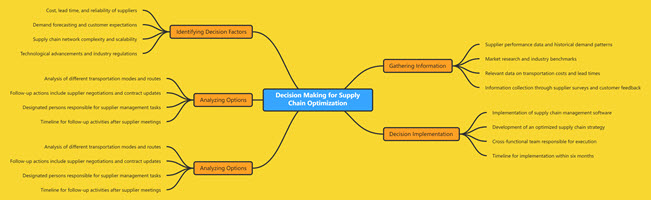
Decision Making for Supply Chain Optimization

PDCA (Plan-Do-Check-Act)
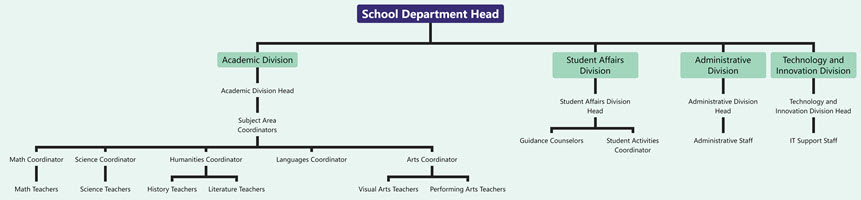
Organizational Chart of School Department
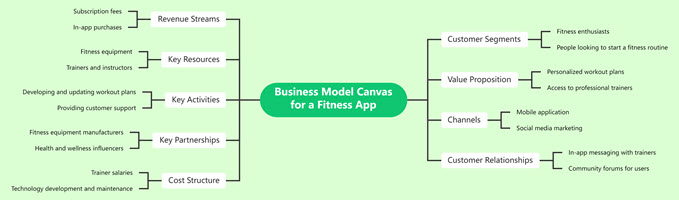
Business Model Canvas for a Fitness App
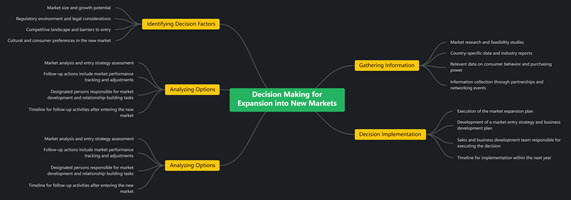
Decision Making for Expansion into New Markets
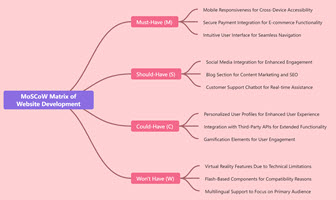
MoSCoW Matrix of Website Development

Tree Chart of Psychological Theories
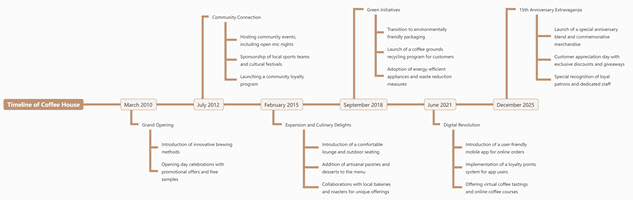
Timeline of Coffee House

PEST Analysis For the Automobile Industry
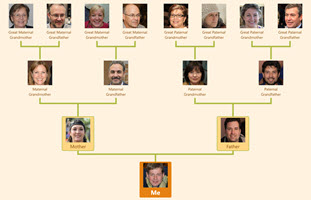
Family Tree With Photo
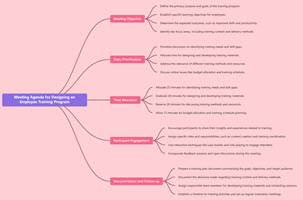
Meeting Agenda for Designing an Employee Training Program
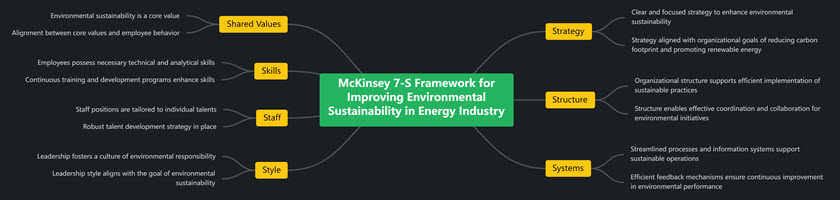
McKinsey 7-S Framework for Improving Environmental Sustainability in Energy Industry
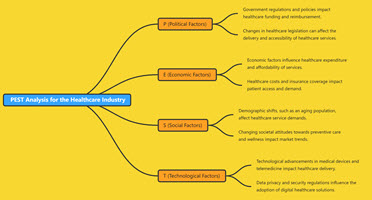
PEST Analysis for the Healthcare Industry

PDCA for improving on-time delivery in a logistics company
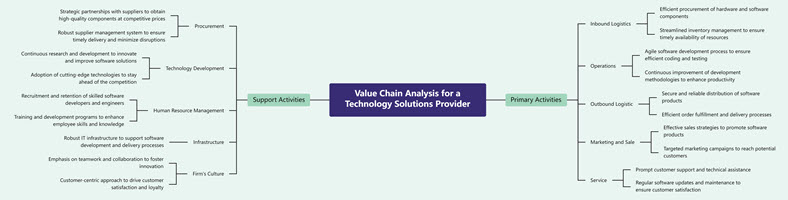
Value Chain Analysis for a Technology Solutions Provider
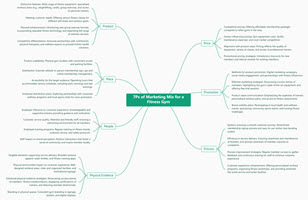
7Ps of Marketing Mix for a Fitness Gym

